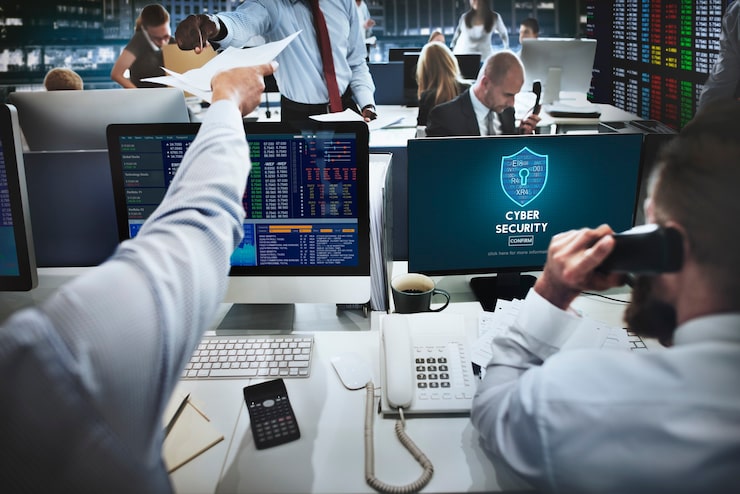
Network security is one of the foundations of a stable business
For many small and medium-sized businesses, the network quietly sits in the background while day-to-day work happens on top of it. Emails are sent, cloud platforms are used, customer records are accessed, calls are made, files are shared, and teams move from one task to the next without thinking much about the systems making it all possible.That is exactly why network security matters so much. When the network is secure, business operations feel smooth and dependable. When it is weak, the business becomes more exposed to disruption, data loss, and avoidable risk.For SMEs, network security is not something extra that only larger organisations need to think about. It is one of the most important parts of protecting everyday operations.
A weak network can create risks that spread quickly
The network connects devices, users, systems, and services. If it is not protected properly, one weakness can affect much more than one device or one staff member.For example, a poorly secured network can make it easier for attackers to move from one compromised account or endpoint into wider parts of the business. A device that should have been isolated may end up sitting on the same network as critical files or important systems. A guest connection may be too close to the main business environment. Older devices may stay exposed for longer than anyone realises.What makes this more difficult for SMEs is that these issues often build quietly. The business carries on as normal until one day something goes wrong, and by then the weakness has already been there for much longer than expected.
SMEs often have more to protect than they think
A lot of smaller businesses underestimate the value of the systems and data they hold. They may not think of themselves as having a “high-risk” environment, but in reality they still rely on sensitive and business-critical information every day.Customer records, supplier details, payment information, cloud platforms, internal documents, shared folders, phones, printers, devices, and remote access tools all connect through the network in some form. That means the network is not only carrying internet traffic. It is supporting the daily operation of the business.If that network is insecure, then the business is putting a large part of its day-to-day work at risk without always meaning to.
Good network security reduces the chance of disruption
One of the most practical reasons network security matters is because it helps reduce disruption. Many cyber incidents are not only security problems. They are business continuity problems too.If an attacker gets into the environment, if devices are exposed, or if traffic is not properly controlled, the result can be slow systems, unavailable services, lost productivity, and a lot of unnecessary pressure on staff. Even a relatively small issue can create major frustration if it affects access to key systems.Strong network security helps prevent those situations from happening or at least limits how far they can spread. That is especially important for SMEs, where even short periods of disruption can have a very real effect on customer service and revenue.
Segmentation and access control make a big difference
One of the most overlooked parts of network security is structure. Not everything should sit together on one flat network. Business devices, guest access, printers, phones, and any specialist equipment should be separated in a sensible way.This kind of segmentation makes it harder for problems to spread. It also improves visibility and control. If one device becomes compromised, it is far better for it to be limited to one section of the environment than to have access across everything.Access control matters just as much. People and systems should only reach what they actually need. This reduces unnecessary exposure and helps the business stay in better control of its own environment.
Network security supports remote and hybrid work too
Modern network security is not only about the office. Many SMEs now work across multiple locations, with remote staff, hybrid schedules, and cloud-based tools used from different devices.That makes network security even more important because access no longer happens from one simple location. The business needs to know how staff are connecting, whether devices are protected, and whether traffic is being handled safely.A secure network setup supports this flexibility without creating unnecessary risk. It allows the business to stay adaptable while still protecting the systems and data that matter most.
Security and performance often work together
There is sometimes a misconception that stronger security makes everything slower or more difficult. In reality, a well-managed network often improves both security and performance.Clearer structure, better visibility, cleaner access rules, and more consistent monitoring all help the environment run more smoothly. This means fewer surprises, fewer repeated technical issues, and less time spent reacting to avoidable problems.For SMEs, that balance is important. The goal is not to create complexity. The goal is to make the network secure in a way that supports the business instead of getting in the way of it.
Final thoughts
AtFreshstance, we help SMEs strengthen network security with practical protection, better structure, and support that fits the way their business actually works. A secure network is not only about stopping threats. It is about protecting productivity, reducing disruption, and giving your business a more stable foundation to grow on.